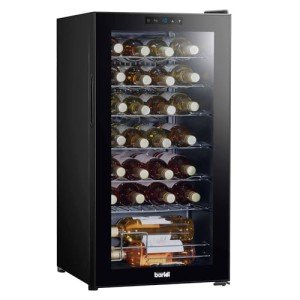
Don't Buy Into These “Trends” Concerning Buy A Fridge
Where to Buy a Fridge: A Comprehensive Guide
Acquiring a refrigerator is a substantial choice due to its function as one of the most important appliances in the home. Fridges come in various sizes, styles, and rate varieties, making the purchasing procedure possibly frustrating. However, comprehending where and how to purchase a fridge can simplify this procedure. Rory Wilcher intends to check out various opportunities for buying a refrigerator, key factors to consider, and frequently asked concerns to help customers make informed options.
Where to Buy a Fridge
When it comes to searching for a refrigerator, customers have a number of choices. Each opportunity uses its own pros and cons, and understanding these can assist purchasers select the very best fit for their needs.
1. Brick-and-Mortar Retailers
Standard home appliance shops and big-box retailers continue to be popular destinations for refrigerator shopping. These places consist of:
- Home improvement shops (e.g., Home Depot, Lowe's)
- Electronics shops (e.g., Best Buy)
- Specialty home appliance sellers
Pros:
- Hands-On Experience: Customers can see, touch, and examine the fridge.
- Immediate Availability: Many shops provide same-day shipment services.
- Sales Assistance: Trained sales personnel can supply skilled suggestions.
Cons:
- Higher Prices: Retail rates can be steeper compared to online options.
- Minimal Inventory: Smaller shops might not carry comprehensive selections.
2. Online Retailers
The web has changed the method individuals shop, including for home appliances. Popular online choices consist of:
- E-commerce giants (e.g., Amazon, Walmart)
- Manufacturer websites (e.g., Samsung, LG)
Pros:
- Wider Selection: Online shops typically have a more comprehensive inventory compared to brick-and-mortar areas.
- Convenience: Shopping can be done from the comfort of home at any time.
- Rate Comparisons: Easily compare rates throughout various platforms.
Cons:
- Shipping Costs: Delivery costs can contribute to the total cost.
- No Immediate Gratification: Customers need to wait on shipment.
- Absence of Personal Interaction: No chance to ask direct questions.
3. Storage facility Clubs
Membership-based wholesale retailers, like Costco and Sam's Club, use fridges at competitive rates.
Pros:
- Bulk Discounts: Membership often enables savings on bigger purchases.
- Top quality: These stores preserve high requirements for the brands they bring.
Cons:
- Membership Fee: A membership is required to shop there.
- Limited Choices: The inventory might not include all brands or designs.
4. Regional Classifieds and Marketplaces
Platforms like Craigslist, Facebook Marketplace, and OfferUp permit individuals to buy used or new fridges from regional sellers.
Pros:
- Lower Prices: Often less expensive than retail, particularly for utilized items.
- Regional Transactions: Easy to see and choose up devices.
Cons:
- Risk of Quality Issues: Used models can come with hidden problems.
- No Return Policy: Typically, sales are final, without any guarantee or warranty.
Table of Fridge Types and Features
Fridge Type
Best For
Key Features
Leading Freezer
Budget-conscious shoppers
Timeless design, budget-friendly
Bottom Freezer
Easy access to fresh food
Ergonomic design
Side-by-Side
Families with limited area
Adequate storage and ease of access
French Door
Gourmet cooks
Style, area, advanced features
Compact
Small areas like apartments
Space-saving design
Secret Considerations When Buying a Fridge
As customers consider where to buy a fridge, various considerations can direct their decision-making procedure:
Size and Fitting
- Measure the Space: Ensure the fridge fits within designated kitchen area.
- Door Swing: Account for door clearance and swing radius.
Energy Efficiency
- Look for Energy Star Ratings: This makes sure lower electrical power expenses.
- Comprehend the Long-Term Savings: Energy-efficient designs may have greater upfront costs however lower operating costs.
Design and style
- Choose a Style: Select ideal designs such as standard or contemporary according to your kitchen area aesthetics.
- Finish Options: Stainless steel, black, and white finishes can impact the total look.
Price Considerations
- Set a Budget: Determine a spending variety before shopping.
- Expect Discounts: Seasonal sales durations often supply savings.
Warranty and Support
- Maker's Warranty: Understand what is covered and for how long.
- Customer care: Check ratings for maker assistance services.
Often Asked Questions (FAQs)
Q: What is the most energy-efficient refrigerator brand name?
A: Brands such as Energy Star, LG, and Samsung are commonly recognized for their energy performance.
Q: Is it worth purchasing a used refrigerator?
A: It can be, particularly if you are on a tight budget plan. Nevertheless, guarantee you check the appliance completely for any existing problems.
Q: What is the average lifespan of a refrigerator?
A: Most refrigerators last in between 10 to 20 years, depending on use and upkeep.
Q: Should I buy a refrigerator online or in-store?
A: This depends upon personal choice. Online shopping uses convenience and choice, while in-store supplies hands-on experience and immediate purchasing options.
Q: What includes should I try to find in a refrigerator?
A: Key functions to think about consist of adjustable shelving, ice and water dispensers, sound level, and clever technology options.
Looking for a refrigerator does not have to be a challenging task. With various purchasing alternatives— from brick-and-mortar shops to online merchants and classified advertisements— customers can discover the best refrigerator that fits their needs. By thinking about necessary elements such as size, energy effectiveness, and style, potential buyers are better geared up to navigate the purchasing process. Ultimately, whether purchasing new or utilized, the objective stays the exact same: to enhance the kitchen experience with a trustworthy device that fulfills both practical requirements and individual preferences.